
What Is an AI Influencer?
A clear definition of AI influencers, how virtual personas are made for SFW and NSFW audiences, where they create value, and the standards that build trust.
MakeCorn Editorial
Updated Aug 5, 2026 · Reviewed for responsible AI use
Quick Answer
An AI influencer is a computer-generated persona – built using machine learning, 3D modeling, or generative AI tools – that creates and distributes content on social platforms as if it were a real human creator. Unlike a traditional influencer, an AI influencer has no physical body, no personal history, and no spontaneous emotions. Every post, image, video, and interaction is produced by a combination of software, prompts, and human direction.
AI influencers range from fully fictional characters (e.g., Aitana Lopez, Lil Miquela) to stylized avatars controlled by a team. In the adult and virtual-creator space, AI influencers are often used to produce safe-for-work (SFW) or not-safe-for-work (NSFW) content without requiring a real person to appear on camera. The person behind the account – the "operator" or "creator" – designs the look, writes the scripts, and manages the business.
For MakeCorn's audience – adult creators, AI creators, and marketers – understanding what an AI influencer is means understanding the blend of technology, storytelling, platform policy, and monetization that makes these accounts viable. This article gives you the practical roadmap.
What People Searching This Actually Want
When someone types "what is an AI influencer" into a search engine, they usually have one of several hidden goals. Let's break them down so you can decide which path fits your work.
| Typical Searcher Goal | Underlying Need | Relevance to This Guide |
|---|---|---|
| Curiosity about the trend | Understand the phenomenon with examples | Covered in definitions section |
| Potential creator (SFW) | Learn how to start a virtual persona business | End-to-end workflow and 30-day plan |
| Potential creator (NSFW) | Know if AI influencers can replace real models, how to stay compliant | Workflow plus consent and platform rules |
| Marketer evaluating ROI | Compare cost, effort, and risk vs. human influencers | Monetisation section, checklists |
| Platform or policy researcher | Understand how these accounts are regulated | Consent, privacy, rules section |
The single most important thing to realize: an AI influencer is not a magic money printer. It is a product that requires consistent work – content creation, audience engagement, technical upkeep, and legal hygiene. The value comes from controlling a brand that never ages, never gets sick, never has a scandal (unless you write one), and can scale production with AI tools.
Definitions and Categories
Core Definition
An AI influencer is a digital entity that:
- Has a consistent visual identity (face, body, style)
- Posts content on one or more social platforms
- Engages with an audience (comments, DMs, live streams – sometimes automated)
- Generates revenue through subscriptions, tips, brand deals, or merchandise
- Is operated by a human or a team who controls its output
The "AI" part refers to the tools used to generate the look, voice, or text. Some AI influencers use entirely AI-generated images (e.g., Stable Diffusion, Midjourney, DALL·E). Others use 3D character rigs (Blender, Unreal Engine) with AI-driven animation. Still others combine real photography with face-swapping or deep-learning enhancement.
Categories
1. Fully Generated (SFW or NSFW)
The character's appearance is created from scratch using text-to-image or text-to-video models. The operator writes prompts, refines outputs, and curates a gallery. These are the most common AI influencers in the adult space because no real person's likeness is used.
Examples:
- A fictional "fitness model" posting workout selfies
- A "fantasy elf" character for roleplay subscribers
- A "next-door neighbor" style persona for casual NSFW content
2. Avatar-Based with Motion Capture
A real human actor's movements are mapped onto a 3D model using motion capture (e.g., iPhone face tracking, full-body suits). The final video shows a cartoon or stylized version of the actor. This is popular on platforms like VRChat and for live-streaming.
Relevance to NSFW: Some creators use realistic avatars for adult streams, but platforms like Twitch and OnlyFans have specific policies about "real person" vs. "animated." Know your platform before investing.
3. Human-like Digital Twins (High Risk)
These are AI-generated images that closely mimic a specific real person, either with or without their consent. MakeCorn does not endorse non-consensual deepfakes or unauthorized likeness use. The ethical and legal risks are severe. We cover consent in a later section.
4. Chatbot + Image Feed Hybrid
Some AI influencers are primarily chatbots (using large language models like GPT or custom models) that also post images. The character has a "personality" generated by AI, but the images are human-curated. This is a growing category for interactive subscription services.
SFW vs. NSFW – The Critical Difference
The same technology can produce both. The distinction is the content's intent and compliance.
- SFW AI influencers: Fashion, travel, gaming, lifestyle, motivational, art. Monetization via brand deals, merchandise, ad revenue.
- NSFW AI influencers: Adult imagery, sexualized interactions, roleplay. Monetization via subscription sites (Fansly, OnlyFans, Patreon with restrictions), tips, custom content.
Key rule: If you create NSFW content, every single piece must feature a fictional character that is not a real person. Use model releases if any real person contributed training data. Never depict real celebrities, ex-partners, or strangers.
End-to-End Practical Workflow
Building an AI influencer from scratch involves six phases. Below is the process MakeCorn recommends for creators and marketers.
Phase 1: Concept & Character Design
You define the persona before generating a single image.
- Name and backstory: Keep it short. Example: "Lena – 24, amateur photographer, lives in a coastal town, loves hiking and indie music."
- Visual style: Choose art style – photorealistic, anime, semi-realistic, cartoon. Consistency is everything.
- Niche and audience: SFW fitness? NSFW fantasy? Single target audience. Don't try to please everyone.
- Platforms: Instagram, Twitter/X, Reddit, OnlyFans, Fansly, Patreon. Each has different content rules.
Checklist for Phase 1:
- Character name (unique, searchable)
- Backstory (3–5 sentences)
- Target age demographic
- Primary content style (photos, videos, text, audio)
- Platform list (limit to 2–3 at first)
Phase 2: Tool Selection
Choose the tools that match your budget and skill.
| Tool Type | Example | Use Case | Cost |
|---|---|---|---|
| Text-to-image | Midjourney, Stable Diffusion, DALL·E 3 | Still images, character sheets | $10–$30/mo |
| Image-to-video | Runway Gen-2, Pika Labs | Short video clips (5–10 sec) | $15–$50/mo |
| Face-swap / inpainting | InsightFace, Roop, ComfyUI | Refine faces, replace backgrounds | Free/self-hosted |
| 3D character creator | VRoid Studio, Daz 3D, Ready Player Me | 3D model for live streaming | Free–$200 |
| Chatbot / LLM | ChatGPT API, Character.AI, Pygmalion | Automated responses, roleplay | Pay-per-token or free |
Recommendation for adult creators: Stable Diffusion (locally) with fine-tuned models (e.g., Pony Diffusion, sweet diffusion) gives full control over NSFW output and consistency. Midjourney bans explicit NSFW; use it for SFW content only.
Phase 3: Consistency Pipeline
This is where most new AI influencer projects fail. A single inconsistent face or body type breaks the illusion.
Step-by-step consistency method:
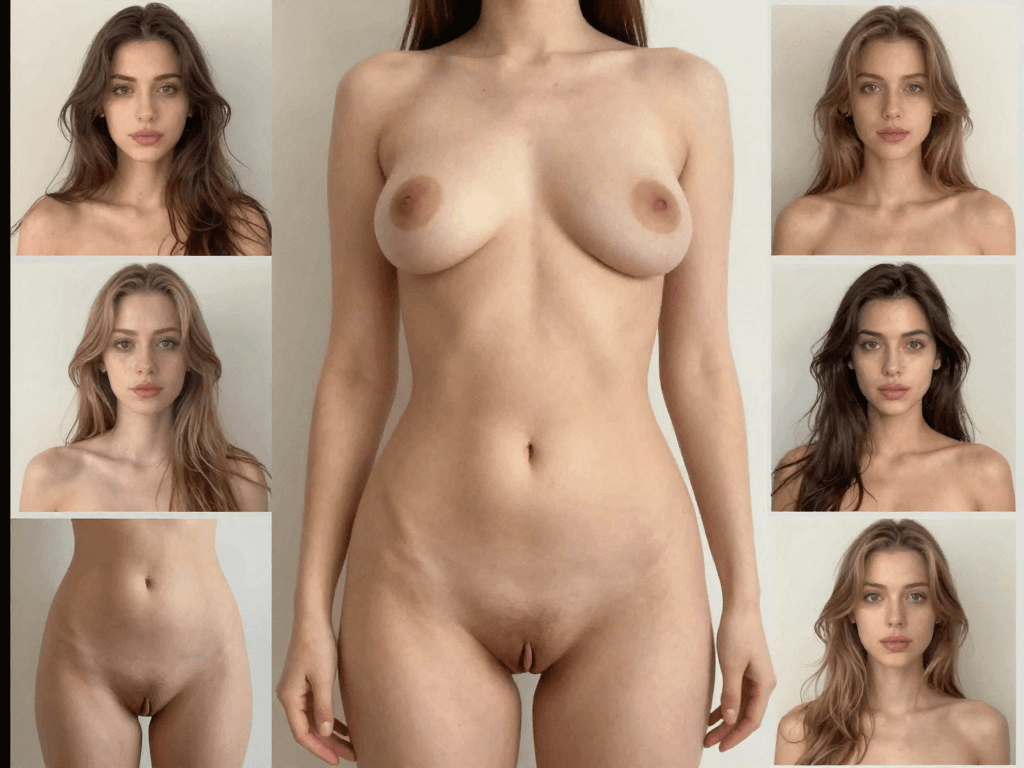
- Create a base character sheet. Generate 10–20 images of your character in different poses, angles, and lighting. Use the same seed/prompt seed or fine-tune a Low-Rank Adaptation (LoRA) model.
- Train a LoRA (if using Stable Diffusion). Collect 15–30 high-quality images of your character. Use a tool like Kohya's GUI or Automatic1111 to train a small model. This allows you to generate new images with the same face.
- Use face restoration. Every generated face can be refined with GFPGAN or CodeFormer to reduce artifacts.
- Build an asset library. Save all generated images with metadata (prompts, seed, model). This helps you audit consistency.
Common roles for a team of one:
- Writer / direction (you)
- Image generator (AI)
- Editor / curater (you)
- Posting scheduler (you)
AI does not replace you; it amplifies your output.
Phase 4: Content Creation Cadence
Create a weekly content calendar. For a single AI influencer:
- Daily posts: 1–2 images (or 1 short video) across platforms.
- Weekly engagement: Reply to comments, send out polls, maybe host a Q&A (text only).
- Monthly specials: Themed sets (e.g., "beach day," "cyberpunk outfit").
Batch production is critical. Dedicate one day per week to generating 30–40 images, then schedule them with a tool like Buffer or Later (for SFW) or manual posting (for NSFW platforms that restrict automation).
Phase 5: Launch & Audience Building
Start with one platform. Gain traction before expanding.
- Create an account with your character's name and backstory.
- Post consistently for 2–4 weeks before expecting growth.
- Use relevant hashtags (#AIart, #virtualinfluencer, #digitalartist). For NSFW, use platform-specific tags (e.g., #aiadult, #fictionalonly).
- Cross-promote on Reddit communities (r/AI_NSFW_Creators, r/VirtualInfluencers) – follow each subreddit's rules.
Phase 6: Monetisation (covered in detail later)
Prompting / Production Techniques
Your output quality depends on prompts and model choice. Below are techniques for both SFW and NSFW AI influencers.
Foundational Prompt Structure (Images)
A strong prompt has four parts:
- Subject and appearance: "A young woman with long brown hair, green eyes, freckles, wearing a white sundress"
- Action/pose: "walking on a beach at sunset, looking back over her shoulder"
- Environment/lighting: "golden hour, soft warm light, shallow depth of field"
- Style and quality: "photorealistic, Canon EOS R5, 85mm lens, highly detailed face, skin texture"
Negative prompts are equally important. Common negatives: "ugly, deformed, extra limbs, bad anatomy, blurry, watermark, text, cartoon, duplicate face."
SFW Techniques
- Use Midjourney's "/imagine" for highly artistic, safe content.
- Add "studio lighting, fashion photography, editorial" for professional looks.
- For consistency, use Midjourney's "–cref" (character reference) with a seed of your character.
Example SFW prompt (Midjourney):
/imagine prompt: A young woman with long brown hair, green eyes, freckles, wearing a white sundress, walking on a beach at sunset, looking back over her shoulder, golden hour, soft warm light, shallow depth of field, photorealistic, Canon EOS R5, 85mm lens, highly detailed face, skin texture --ar 4:5 --cref https://your-character-ref-url --cw 100
NSFW Techniques
Important: Only generate adult content with fictional characters. Never use real person's images as reference.
- Use fine-tuned models trained on adult content (e.g., from Hugging Face or CivitAI). These models avoid common "uncanny valley" errors.
- Use inpainting to correct any body parts that look unnatural.
- Add "detailed skin texture, realistic anatomy, soft lighting" to avoid plastic-looking results.
- For interactive roleplay, pair images with a custom text model. Use a system prompt that defines the character's personality, limits, and tone. Example: "You are Lena, a 24-year-old photographer. You are flirty but never pushy. You never use real names. You keep conversations inside the fictional world."
Example NSFW prompt (Stable Diffusion with custom model):
Prompt: (masterpiece, best quality), 1girl, breasts, detailed skin texture, realistic anatomy, soft lighting, bedroom setting, (night:1.2), wearing silk robe, looking at viewer, seductive smile,
Negative prompt: ugly, deformed, extra limbs, bad anatomy, blurry, watermark, text, cartoon, duplicate face, disfigured
Steps: 30, Sampler: DPM++ 2M Karras, CFG scale: 7, Seed: 123456, Model: ponyDiffusionV6, Size: 768x1024
Video Production (Short Clips)
- Use Runway Gen-2 or Pika Labs with a starting image of your character. Prompt "woman waving, cinematic slow motion, natural body movement."
- For mouth movement, use Wav2Lip to sync audio to the character's face. This enables simple "talking head" videos.
- Keep clips to 5–10 seconds for social media.
Example Runway prompt:
Input image: lena_beach_01.png
Prompt: A young woman with long brown hair, wearing a white sundress, waves at the camera, slow motion, cinematic lighting, 4k
Voice Generation
- ElevenLabs or Bark can generate a consistent voice for your character.
- Use the same voice across all audio content. Train a custom voice on 30 minutes of recordings (you can read scripts as the character).
- Avoid using a real person's voice without permission. Create a new voice from scratch using AI text-to-speech.
Voice setup checklist:
- Choose a base voice (ElevenLabs provides many presets)
- Generate sample sentences and fine-tune pitch/tone
- Record 30+ minutes of script reading (can be you speaking as the character)
- Use the trained voice for all voiceovers
- Avoid dialects or accents that could be misinterpreted
Quality Control and Common Failures
Even with great tools, mistakes happen. The table below lists the most frequent problems and how to avoid them.
| Failure | Cause | Fix |
|---|---|---|
| Unstable face | No LoRA or seed consistency | Train a LoRA; use same seed across images |
| Plastic skin / airbrush look | Over-smoothing in post-processing | Disable default face restoration; use realistic models; add skin texture in prompt |
| Hand/feet deformities | AI struggles with appendages | Crop out hands or use inpainting to fix |
| Background inconsistency | Different environments break continuity | Stick to a few consistent background styles (studio, nature, urban) |
| Character aging/floating identity | Changing hair color, style, tattoos | Maintain a "style guide" document with exact traits |
| Low engagement | No real backstory or personality | Post character diaries, polls, "what should I wear?" – build relationship |
| Platform ban (NSFW) | Violating TOS | Know platform rules; never post on SFW-only platforms; age-gate everywhere |
Deep Dive: How to Detect and Fix Deformities
When generating images, common deformities include extra fingers, twisted limbs, and melting faces. Use the following steps to catch them before posting:
- Zoom in 200% on hands, feet, and face areas.
- Compare both hands – AI often generates different hand poses or numbers of fingers.
- Check eye alignment – slightly mismatched eyes are a telltale sign.
- Use inpainting to correct small errors: mask the deformed area, regenerate with a descriptive prompt (e.g., "hand with five fingers, normal anatomy").
- Apply post-processing – tools like GFPGAN for faces and ESRGAN for upscaling can mask minor flaws.
Quality checklist before each post:
- Face matches the base character reference (run a quick facial comparison if needed)
- No text or watermarks in the image (unless part of brand)
- Resolution at least 1024×1024 (or minimum platform requirement)
- No visible AI artifacts (e.g., merged fingers, floating objects)
- Caption matches character voice – no fourth-wall breaks
- NSFW posts are on appropriate platforms and behind age gates
Common Psychological Mistakes
- Over-polishing: Removing all imperfections makes the character look fake. Leave subtle skin blemishes, asymmetries, or natural shadows.
- Ignoring lighting consistency: If your character is in a sunny outdoor scene in one post and a dark nightclub in the next without explanation, followers notice.
- Forgetting the backstory: If you post a "hiking" set but the character's bio says they live in a city apartment, inconsistency erodes trust.
Consent, Privacy, and Platform Rules
This section is not legal advice, but it outlines the ethical and policy landscape you must navigate.
The Number One Rule: No Real People
The most dangerous error is creating an AI influencer that looks like a specific real person. This includes:
- Celebrities (living or dead)
- Ex-partners, friends, or acquaintances
- Strangers whose photos you found online
- Real OnlyFans models or adult performers
Even if you "change a few details," the visual similarity can lead to claims of impersonation, defamation, or right-of-publicity violations. Many countries have laws protecting a person's likeness. The safest approach: your AI influencer must be a fictional creation, visually distinct from any real human.
Model Training Consent
If you train a LoRA or fine-tune a model using any real person's images, you must have explicit written consent. For adult content, that consent should:
- Specify the nature of content (NSFW)
- Define the scope (which platforms, usage duration)
- Include right to revoke
If you use only synthetic data (AI-generated images training other AI models), consent is not an issue – but you still must not use real people as prompts or references.
Platform Rules
Each platform has unique policies on AI-generated content and adult material.
| Platform | AI Policy | Adult Content Policy |
|---|---|---|
| Require label "Made with AI" for realistic content | Prohibit explicit nudity; allow implied | |
| Twitter/X | Allow AI content with label (recommended) | Allow consensual adult content, but ban non-consensual deepfakes |
| OnlyFans | Allow AI-generated content if it's fictional and not deceptive | Allow explicit NSFW if all performers (even AI) are age-verified in documentation |
| Fansly | Similar to OnlyFans | Allow; require proof that content is not real-person deepfakes |
| Patreon | Allow, but must mark as 'produced by AI' | Restrict explicit NSFW; no full nudity |
| Reddit (NSFW subs) | Varies per subreddit | Often allow if tagged and fictional; check sidebars |
| Discord | Allow AI content in most servers | Varies per server; no global prohibition |
Key takeaway: When in doubt, read the platform's terms of service (TOS) directly. Never assume. Many platforms update policies quarterly.
Privacy for Yourself
Operating an AI influencer can shield your real identity, but it also creates new risks:
- Use a separate email, phone number, and payment account for your AI influencer.
- Do not accidentally reveal your real location in background images (e.g., a landmark in your city).
- Consider using a business entity (LLC) for monetisation, especially for NSFW work.
- Back up your character data (models, prompts, images) offline. Platform bans can happen without warning.
FAQ: Consent and Legality (Inline)
Q: Can I base my AI influencer on a celebrity if I change the name?
A: No. Visual similarity alone can still infringe on publicity rights. Celebrities have successfully sued for likeness use even without name use. Always start from a completely original design.
Q: If I use a real model's photos to train a LoRA, do I need a release?
A: Yes, absolutely. Any real person whose images are used as training data must sign a model release that explicitly covers AI use and NSFW content (if applicable). Keep signed copies.
Q: What if a follower asks me to generate an image of a real person?
A: Refuse firmly and explain your ethical policy. Never generate unauthorized likenesses – it puts you at legal and platform risk.
Q: Can I use AI-generated faces that happen to look like someone?
A: It's a grey area. The safest approach is to avoid any resemblance. If you inadvertently generate a face that matches a real person, delete it and adjust your prompts.
Monetisation and Packaging
AI influencers generate revenue through several channels. Your choice depends on your niche and risk tolerance.
Revenue Streams
1. Subscription Platforms (NSFW-heavy)
OnlyFans, Fansly, Patreon, and similar sites allow you to sell monthly access to exclusive content. For AI influencers:
- Pricing: $5–$15/month is typical. Offer a free preview (SFW) to drive signups.
- Content types: Full photo sets, short videos, custom requests (price per request).
- Automation risk: Some platforms detect high-volume AI content and may flag accounts. Use realistic models and add subtle variations to avoid algorithmic detection.
Pro tip: Create multiple subscription tiers – a basic tier for photo sets, a premium tier for videos and early access, and a VIP tier for custom content.
2. Pay-Per-View (PPV) / Tips
Send locked messages to subscribers with exclusive content. Tip-based revenue can be high if you engage personally (via chatbot or direct messaging).
- Use urgency: "This set is available for the next 48 hours only."
- Offer discounted bundles (e.g., 5 PPV sets for the price of 4).
- For NSFW, offer "custom outfit requests" at $20–$50 per image.
3. Brand Deals (SFW-heavy)
Fictional characters can endorse products – clothing, accessories, games, or software. Brands pay for a post or series of posts. Starting rates for small AI influencers: $50–$300 per post. Larger accounts with 100k+ followers can earn $1k–$5k.
How to approach brands:
- Build a media kit (character bio, follower demographics, engagement rate, example posts).
- Target brands that already work with virtual influencers (e.g., fashion labels, tech companies).
- Pitch via email or DM: "I am the creator of [character name], an AI influencer with [X] followers. We'd love to collaborate on a sponsored post featuring your product."
4. Merchandise
Sell print-on-demand products featuring your character: t-shirts, posters, phone cases. Low effort, low margin, but builds brand loyalty.
- Use services like Printful, Redbubble, or Teespring.
- Design simple, iconic images (character face, catchphrase, or logo).
- Promote merch in your social media feed and subscription platforms.
5. Custom Content (NSFW)
Offer personalized images or short videos for a fee. Price per image: $20–$100 depending on complexity. Use a separate queue system to avoid overwhelming yourself.
Custom content guidelines:
- Create a form for fans to describe their request (outfit, setting, pose, expression).
- Set clear boundaries: No real people, no illegal themes, no imitation of actual persons.
- Fulfill within 48 hours; use automation to generate a batch of variations, then pick the best.
Packaging Your AI Influencer as a Product
Think of your AI influencer not as a person, but as a media brand.
- Media kit: Create a one-page PDF with character bio, style examples, follower count, engagement rate, and pricing. Send to potential sponsors.
- Collaborations: Partner with other AI influencers or human creators for cross-promotion. For NSFW, be careful about collab content – ensure all characters remain fictional.
- Audience research: Ask followers what they want. Use polls (on Patreon or Twitter). Treat their input as market research for your next content drop.
Pricing Strategies (Table)
| Monetisation Type | Recommended Starting Price | Best For | Notes |
|---|---|---|---|
| Monthly subscription | $7–$12 | Recurring income, NSFW | Offer 3 tiers: basic, premium, VIP |
| Single image (custom) | $25 | Low effort, high per-unit | Limit to 5 custom requests per week |
| Short video (15 sec) | $50 | Higher perceived value | Use Wav2Lip for voice sync |
| One-month loyalty tier | $20 | Exclusive early access | Includes behind-the-scenes content |
| Branded post | $100+ | SFW, moderate audience | Increase as follower count grows |
| Merch (one item) | $20–$35 | Passive income, brand fans | Use print-on-demand, no inventory |
Revenue Scaling Example
Month 1-3 (100-500 followers):
- Subscription: 10 subs × $10 = $100/mo
- Custom content: 5 images × $25 = $125/mo
- Total: ~$225/mo
Month 4-6 (1,000-5,000 followers):
- Subscription: 50 subs × $10 = $500/mo
- Brand deals: 2 posts × $150 = $300/mo
- Custom content: 10 images × $25 = $250/mo
- Total: ~$1,050/mo
Month 7-12 (10,000+ followers):
- Subscription: 200 subs × $10 = $2,000/mo
- Brand deals: 4 posts × $300 = $1,200/mo
- Merch: 50 items × $25 = $1,250/mo
- Custom content: 20 images × $25 = $500/mo
- Total: ~$4,950/mo
Note: These are illustrative estimates, not guarantees. Results vary by niche, effort, and platform algorithms.
30-Day Plan for Launching Your AI Influencer
Below is a concrete day-by-day plan for a solo creator. Adjust depending on your available hours.
Days 1–5: Concept and Design
- Day 1: Define niche (SFW fitness, NSFW fantasy, etc.) and character backstory.
- Day 2: Choose tools – Stable Diffusion + LoRA training setup.
- Day 3: Generate 20 base images. Select best five for consistent face.
- Day 4: Train a LoRA (if using SD). Run 1,500–2,000 training steps.
- Day 5: Create a character style guide (document with key traits, outfit themes, forbidden content).
Days 6–12: Production Pipeline
- Day 6: Generate 30 images using LoRA. Vary poses, lighting, outfits.
- Day 7: Edit and upscale (use ESRGAN or other upscaler).
- Day 8: Create 5 short videos (3 seconds each) with Runway or Pika.
- Day 9: Write 7 captions that establish the character's personality.
- Day 10: Create a profile picture and banner.
- Day 11: Write a "first post" introducing the character.
- Day 12: Test image consistency. Compare all images side by side. Delete any that break the look.
Days 13–19: Platform Setup
- Day 13: Create account on primary platform (e.g., Twitter/X for SFW; Fansly for NSFW).
- Day 14: Set up profile: bio, link in bio (if allowed), age gate (if NSFW).
- Day 15: Post introductory content (image + bio).
- Day 16: Schedule next 14 days of posts (1 per day) using scheduler or manual queue.
- Day 17: Begin engaging on other related accounts (follow, comment, retweet).
- Day 18: Join relevant communities (Discord servers, Reddit subreddits).
- Day 19: Prepare first "exclusive" content set (e.g., 10 images for subscribers).
Days 20–26: Growth and Engagement
- Day 20: Launch subscription account (OnlyFans/Fansly/Patreon). Post 5 starter images free.
- Day 21: Share behind-the-scenes (process video of creation) on secondary account.
- Day 22: Run a poll in your community: "What outfit should I wear next?"
- Day 23: Reply personally to every comment and DM (using your character's voice).
- Day 24: Make your first SFW collab post (tag another AI influencer account).
- Day 25: Create a "FAQ" post clarifying this is an AI fictional character (transparency builds trust).
- Day 26: Analyze first week metrics – engagement rate, follower growth, conversion.
Days 27–30: Monetisation Launch
- Day 27: Send first paid PPV offer to subscribers (e.g., "exclusive summer set – $5").
- Day 28: Post a "thank you" to first paying subscribers (image + caption).
- Day 29: Write down what worked and what didn't. Adjust content mix.
- Day 30: Plan next month: new themes, new platform if ready.
Result after 30 days: You should have a consistent presence on 1–2 platforms, a small but engaged audience (100–500 followers is a good start), and at least one revenue source.
Scenario Walkthroughs
Scenario A: SFW Fitness AI Influencer (Beginner Path)
Goal: Build a family-friendly fitness brand, attract brand deals, avoid NSFW complications.
Character: "Alex" – 26-year-old male personal trainer, loves calisthenics, vegan cooking, and hiking. Visual style: photorealistic, outdoor lighting.
Platform choices: Instagram (main), YouTube Shorts (secondary), TikTok (tertiary). No adult platforms.
Workflow:
- Generate 50 base images of Alex in workout gear (training, running, stretching).
- Create 10 short videos: Alex doing push-ups, demonstrating stretches, etc. Use Pika Labs with motion.
- Write captions with fitness tips, personal anecdotes (e.g., "Tried a new protein smoothie today!").
- Post daily on Instagram, 3x week on YouTube Shorts.
- Engage in fitness communities, tag relevant hashtags (#fitspo, #personaltrainer, #AIcreator).
Monetisation:
- Brand deals with athletic wear companies (e.g., Gymshark affiliate program).
- Sell a digital workout plan (PDF + video) for $15.
- Merch: t-shirts with Alex's logo.
- No custom NSFW content – purely SFW.
Risk factors: Low legal risk; platform bans unlikely. Main challenge is standing out among real fitness influencers.
Scenario B: NSFW Fantasy Elf (Intermediate Creator Path)
Goal: Build a niche adult audience around a fantasy character, earn via subscriptions and custom content.
Character: "Sylva" – 200-year-old wood elf, lives in an enchanted forest, loves archery and moonlit dances. Visual style: semi-realistic fantasy art (anime-influenced).
Platform choices: Fansly (primary), Twitter/X (promotional), Patreon (SFW previews only).
Workflow:
- Use a fine-tuned Stable Diffusion model for fantasy NSFW (e.g., Pony Diffusion).
- Train a LoRA on a set of 30 images of Sylva in various fantasy outfits and settings.
- Generate weekly sets: 10 images per theme ("forest bathing," "moon ritual," "elf armor").
- Create short video clips (e.g., Sylva casting a spell with glowing hands).
- Write roleplay-style captions: "The forest spirits whisper tonight. Will you join me by the fire?"
- Offer custom content: $30 per image with specific elf-lore elements.
Monetisation:
- Fansly subscription: $10/month (basic), $25/month (includes monthly custom image).
- PPV sets: $5–$10 per extra set.
- Tips for roleplay chats (use a custom chatbot with Sylva's personality).
Risk factors: Must ensure no real person likeness. Avoid any resemblance to game characters (e.g., World of Warcraft elves). Platform compliance: tag all content as fictional and AI-generated.
Scenario C: Hybrid Chatbot + Image Feed (Advanced)
Goal: Combine visual content with interactive AI-driven conversations to build a loyal paying fanbase.
Character: "Maya" – 24-year-old gamer and cosplayer, eccentric personality. Visual: photorealistic with anime-inspired outfits.
Platform choices: Discord (private server), OnlyFans (subscribers only), Twitter (public teasers).
Workflow:
- Use a custom GPT model (via OpenAI API) fine-tuned on Maya's diary entries and replies.
- Train a LoRA for Maya's face across cosplay costumes.
- Post daily images on Twitter: Maya at conventions, playing games, etc.
- In the private Discord server, Maya's chatbot answers questions, tells jokes, and offers personalized roleplay.
- OnlyFans subscribers get access to exclusive photo sets and direct chatbot interaction (limited responses per month).
Monetisation:
- Discord server access: $5/month (via Patreon).
- OnlyFans subscription: $15/month (includes 50 chatbot messages/month).
- Custom chatbot interactions: $2 per 100 extra messages.
Risk factors: Chatbot must stay in character and avoid representing real people. Ensure all generated text is fictional and consensual. Monitor for users trying to break the character into dangerous territory; block them.
FAQs (Inline Throughout Text)
Q: Do I need to disclose that my influencer is AI?
A: Yes, on most major platforms. Instagram, Twitter/X, and TikTok require labeling AI-generated content. Even where not required, transparency builds trust with your audience. Disclose in bio, captions, or a pinned post.
Q: Can I use a real person's voice for my AI influencer?
A: Only with explicit written permission. Using a celebrity voice or a friend's voice without consent violates right of publicity and copyright. Use AI-generated voices instead.
Q: How much time does an AI influencer require per week?
A: Expect 10–20 hours initially (learning tools, building character). After setup, a solo creator can maintain 1–2 platforms with about 5–10 hours per week for content generation, engagement, and administration.
Q: What are the biggest technical hurdles for a beginner?
A: 1) Setting up Stable Diffusion locally if you want control. 2) Training a consistent LoRA. 3) Avoiding deformities. 4) Managing multiple platforms' content policies. Start with cloud-based tools (Midjourney, Runway) before going local.
Q: Can I run multiple AI influencers?
A: Yes, but scale slowly. Each character requires its own identity and content pipeline. Manage one for three months before launching a second. Overlapping characters can cannibalize your audience.
Q: What happens if my account gets banned?
A: Have backups of all content and follower lists. Build an email list or a secondary account (e.g., Discord) to reconnect. Diversify platforms so no single ban destroys your income.
Q: Is it ethical to create NSFW AI influencers?
A: Yes, as long as the content is fictional, consensual (no real people involved), and properly age-gated. Treat it like any other adult entertainment: respect boundaries, follow laws, and be transparent.
Checklists + Final Takeaway
Pre-Launch Checklist
- Character name and backstory written
- Visual style guide completed
- AI model / LoRA trained and tested
- Content pipeline (generation → editing → scheduling) set up
- Primary platform account created with compliant bio
- Age-gating in place if NSFW
- No real human likeness used
- Terms of service read for each platform
- Emergency backup of all character data (models, images, prompts)
- Separate financial accounts for influencer business (if monetising)
Weekly Maintenance Checklist
- Generate 10–20 new images (maintain variety)
- Check character consistency (compare to style guide)
- Post at least 5 times across platforms
- Respond to all comments and DMs
- Monitor for any content flagged or reported
- Audit platform policy updates (every 2 weeks)
Monetisation Checklist
- Subscription page set up (pricing tiers, content previews)
- Payment method linked (Stripe, direct deposit)
- Custom content price list defined
- Brand media kit ready (even if zero sponsors yet)
- Tax documentation in order (if earning above thresholds – consult a professional)
Routine Audit Checklist (Monthly)
- Review follower growth and engagement trends
- Compare content performance (which themes got most likes/shares?)
- Update character backstory if needed (e.g., new life events)
- Test new AI tools or models (stay updated)
- Evaluate platform risk: any policy changes that affect your content?
- Reassess pricing for subscriptions and custom content
- Backup all character data again (cloud + offline)
Final Takeaway
An AI influencer is a digital business asset. It combines creative storytelling, generative AI, consistent branding, and platform savvy. Success doesn't come from the most advanced technology – it comes from discipline.
- Treat your AI influencer as a full-time brand, not a casual experiment.
- Prioritize consistency over quantity. One recognizable face beats ten random beauties.
- Be transparent about the AI nature of the account. Audiences respect honesty, and platforms require it.
- Never misuse real people's likenesses. It destroys trust and invites legal action.
- For NSFW creators: keep it fictional, keep it consensual, and keep it within platform rules.
The AI influencer industry is still young. The creators who build sustainable, ethical, and engaging personas today will define the next decade of virtual influence.
Want to explore deeper? See our glossary entry for what is an AI influencer for a condensed definition, or check out the step-by-step guide on how to create an AI influencer for a practical walkthrough.
Questions, answered
Frequently asked questions
Is an AI influencer the same as a virtual influencer?
They overlap; AI influencer usually highlights AI-generated media or workflows.
What can an AI influencer create?
Images, short videos, campaign creative, captions, and community content with human review.
How should a virtual creator be presented?
Be transparent and avoid copying a real person's identity.
Put the workflow into practice
Create original adult AI media with MakeCorn
Choose an image or video model, build a fictional adult character, and keep each generation under your control.
Try MakeCorn →Continue in Explore
Related adult AI niches
Jump into high-intent explore pages connected to this guide — styles, tools, and workflows ready to open in MakeCorn.
NSFW AI Generator
NSFW AI Generator on MakeCorn — original adult characters, uncensored AI images and video, and a simple workflow you can reuse.
AI Chat Porn
AI Chat Porn on MakeCorn — original adult characters, uncensored AI images and video, and a simple workflow you can reuse.
AI Cartoon Porn
AI Cartoon Porn on MakeCorn — original adult characters, uncensored AI images and video, and a simple workflow you can reuse.
AI Trans Porn
AI Trans Porn on MakeCorn — original adult characters, uncensored AI images and video, and a simple workflow you can reuse.
AI Fruit Porn
AI Fruit Porn on MakeCorn — original adult characters, uncensored AI images and video, and a simple workflow you can reuse.
Grok AI Image Generation NSFW Policy 2026
Grok AI Image Generation NSFW Policy 2026 on MakeCorn — original adult characters, uncensored AI images and video, and a simple workflow you can reuse.
Keep reading
Related guides
AI creators
How to Create an AI Influencer
How to build a coherent virtual creator with a character brief, visual system, NSFW content pillars, and transparent publishing.
AI creators
AI OnlyFans: Virtual Creator Content Explained
What the AI OnlyFans search term means, how virtual subscription creators sell NSFW content, and the compliance checks before publishing.
Adult AI Alternatives
Candy AI Alternative: What Adult Creators Should Compare
Looking for a Candy AI alternative? Compare the actual job, visual consistency, exports, privacy, editing, video, and creator workflow before switching.